


Christian Residential Mental Health Treatment
Christian Residential Mental Health Treatment for Teen Boys and Young Men
Since 2001, Capstone Treatment Center has helped thousands of young men struggling with mental health in a structured, Christ-centered environment where young men can address the hurt underneath and find the tools to build a healthy tomorrow.
Family-Founded, Family-Owned program built for teen boys (14-17) and young men (18-28).
Capstone uses our Core-Systems Model developed from the ground up by our Founder, Dr. Adrian Hickmon.
We provide Clinical Excellence in a Christ-Centered environment. Utilizing multiple trauma training modalities; EMDR, Brain-spotting, safe and sound protocol, certified sex addiction training, we invest heavily in our clinical training so we can invest in your healing.
Our program is structured to retrace hurt to the roots to address depression, anxiety, co-occurring disorders, suicidal ideation, and other mental health challenges with personalized, evidence-based care.
What started in our founder's family home has turned into a world-class treatment program bringing families together for over 24 years. A football coach turned therapist, Dr, Adrian Hickmon created a treatment program to help struggling young men overcome their hurt to win in the game of life. 24 years later, Capstone Treatment Center has continued to give thousands of young men and their families an opportunity to win again.

At Capstone, we’ve worked with thousands of families navigating their son’s struggle with mental health.
Our highly trained therapy team are well equipped to walk with families through a process of understanding and responding to their son’s mental health struggles. Perhaps you have the nagging sense that there is something deeper in his inner life, invisible to others, but deeply painful for him. Our clients and their families frequently discover that beneath the surface are many deeper wounds, feelings of shame, trauma, and other hurts that, unless resolved, will continue to disrupt in various ways.
When Should I Seek a Higher Level of Care for My Son?
If your son's symptoms are disrupting daily life, safety, or your family's stability, it may be time to explore residential treatment options.
Suicidal thoughts, self-harm, or safety concerns.
Severe mood swings, emotional outbursts, or escalating conflict
Loss of interest in hobbies, sports, friends, faith, or goals
Persistent anxiety, panic, fear, or constant overwhelm
Apathy, lack of motivation, or “failure to launch” patterns
Your home feels unstable, tense, or unsustainable
If your concern matches a residential level of care, our admissions therapists will walk with you through our program to provide guidance and help answer any questions you may have and if Capstone is appropriate for you.

What Treatment Looks Like at Capstone
Our treatment program is tailored to the individual, but families can expect a structured environment designed to support stabilization, growth, and long-term healing.
Assessment and individualized treatment planning
Years worth of Individual therapy in 90-96 days. Exceptional Group therapy
Skill-building for emotional regulation, coping, and communication
Family involvement and parent guidance
Aftercare planning and next steps after residential care
Each client receives an AKC registered Labrador Retriever upon admission and graduates our program with a recovery companion for years to come.
Family involvement is an integral part of the treatment process at Capstone. Healing does not happen in isolation, and lasting change is easier to sustain when the family is supported and equipped along the way. Our team works with parents to bring clarity to what is happening beneath the surface, strengthen communication, and establish healthier boundaries that support long-term healing.

How Does Capstone's Christ-Centered Treatment Approach Mental Health Struggles?
At Capstone, we look beyond surface symptoms to identify and treat the underlying wounds that often drive depression, anxiety, shutdown, anger, isolation, or self-harm. Many parents can see the behaviors, but not the deeper story underneath them. Our team uses proven therapeutic approaches designed for teen boys and young men, because treatment should not feel like a one-size-fits-all experience.
Addresses surface behaviors and patterns that disrupt daily life
Identifies underlying pain like trauma, shame, anxiety, grief, and fear
Builds emotional regulation and healthier coping skills
Helps young men rebuild relationships, responsibility, and purpose
Includes family support so change can continue at home
Values-based environment grounded in Christ-centeredness
Clinical excellence remains central to treatment
Capstone is rooted in a Christ-centered foundation. We do not use faith to bypass pain. We hold tightly to truth, hope, and dignity while doing the real work of therapy, so your son can face what he is carrying in a way that is honest, supported, and meaningful.
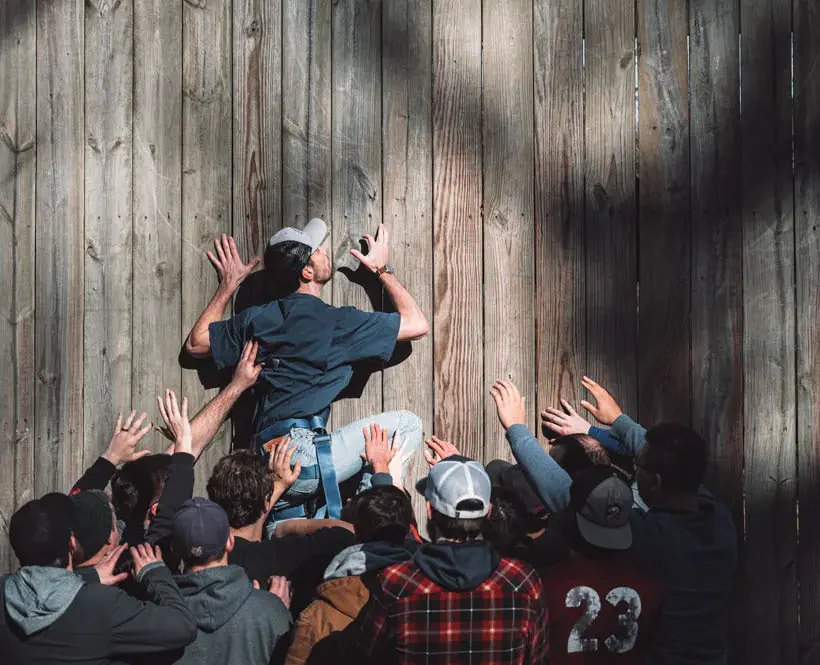
Does Your Loved One Struggle With…
Capstone has worked with thousands of young men struggling with mental health concerns for over 24 years.
866-729-4479Severe Mood Swings
Mood swings can look like sudden anger, irritability, or emotional crashes that do not match the situation. You may feel like you are walking on eggshells around him. Sometimes this is tied to trauma, anxiety, depression, or substance use.
Capstone identifies what is underneath the emotional volatility and works on regulation, addressing past trauma, and healthy coping in a Christ-centered, highly structured environment.
Feelings of Worthlessness
You may hear him talk about himself in harsh or shame-based ways or believe he is a burden. This is common in young men who have experienced rejection, trauma, or repeated failure.
Capstone helps rebuild identity in a safe setting using evidence-based therapy and a relational model that restores value, connection, and purpose.
Suicidal Ideation
This may sound like “I wish I wasn’t here,” talking about death, giving things away, or online searches about suicide. Sometimes it is quiet and hidden. It always needs to be taken seriously.
Capstone has deep experience treating young men with suicidal thoughts. Our team addresses safety first, then the trauma, addiction, attachment, or depression that is fueling the hopelessness.
Chronic Fear of Failure
Some young men appear unmotivated when they are really afraid to try. Perfectionism, procrastination, and overreacting to correction are common.
Capstone helps young men work through the shame and family patterns that feed performance-based worth so they can set goals and follow through.
Trouble Focusing
This can look like poor grades, incomplete tasks, impulsive choices, or getting “stuck” on screens. Sometimes it is ADHD. Sometimes it is trauma, anxiety, or addiction that is distracting the brain.
Capstone evaluates what is underneath the attention problems and treats the whole person, not just the symptom, through therapy, structure, and specialized services.
Loss of Interests
When a boy stops doing what he used to love, it can point to depression, shame, screen overuse, or substance use. Parents often say, “He is not himself.”
Capstone works to restore motivation by treating the underlying hurt, helping him reconnect to God and family, and giving him wins in a supportive, residential setting.
Severe Depressive Episodes
This often looks like long stretches of sadness, low energy, sleeping too much or not enough, and loss of motivation. School, work, and family life start to suffer. He may say things like, “What’s the point?”
Capstone treats depression at the root through clinically-excellent therapy, family involvement, and spiritual support so young men can recover hope and function again.
Distancing From Friends
Pulling away from friends, teams, church, or family can be a sign of depression, anxiety, secretive behavior, or substance use. Isolation usually makes symptoms worse.
Capstone provides a community of peers, healthy structure, and therapy that addresses the reasons he disconnected so he can return to relationships in a healthier way.
Crippling Anxiety
Anxiety can look like constant worry, stomach issues, panic attacks, avoidance of school or work, or needing reassurance from parents. It can also hide under anger or control.
Capstone teaches regulation skills, addresses the core fears, and treats co-occurring issues like trauma or OCD patterns so anxiety is not running his life.
Chronic Lying
Lying can be a way to hide substance use, online behavior, relationships, or mental health symptoms. Over time it breaks trust in the home.
Capstone confronts dishonesty in a firm and loving way, then helps young men learn accountability, repair relationships, and live in the truth.
Chronic Manipulation
Manipulation often sounds convincing and can pit parents against each other. It is usually a survival strategy for boys who want control, access to substances, or to avoid consequences.
Capstone sets clear boundaries, involves the family, and helps young men learn healthy influence instead of control.
What Parents Can Expect With Residential Treatment
Most parents come to us exhausted, unsure what to do next, and afraid of making the wrong choice. You will not be left out of the process. We help families move from reacting to crises to building a clearer plan, healthier communication, and stronger boundaries. Family involvement is an integral part of Capstone Treatment Centers Residential treatment.
You are included in the process
Support with boundaries and communication all the way through
Clarity around what your son needs and what comes next
A steadier path forward for the entire family

Have Questions? You’re Not Alone.
It’s completely understandable to have many questions as you consider residential treatment for your son. Choosing the right program is a significant decision, and families often need clarity as they learn what Capstone provides. Below are some of the most common questions parents ask when they first reach out.
When considering how to pay for treatment there are many questions regarding insurance coverage. Capstone is here to help. Our team will seek reimbursement from insurance on your behalf. There is no cost or commitment associated with determining your insurance reimbursement potential. We encourage you to contact our Admissions Team to initiate a review of your insurance benefits. Read more about insurance and financial arrangements HERE
90-96 days. The program is structured based on admission date with a treatment plan for clients to fully complete the programming within that roughly 90-96 day window.
Yes. Numerous clients come to Capstone each year with scholarship assistance. We work closely with our scholarship arm, Ashes to Glory Foundation, which was formed by an alumni family after receiving life-changing care from our services at Capstone.
We implement an “eyes on 24/7” policy at Capstone where we ensure the appropriate staff ratios to make sure nobody slips through the cracks. Our client to therapist ratio is unmatched in the treatment industry and allows for a safe, consistent therapeutic experience for the client.
For more detailed information, we encourage you to explore our treatment center pages or contact our team to speak with an admissions therapist today by clicking the link below.
Can Capstone Help?Residential Treatment for Lasting Healing
If your son is struggling with his mental health, there are many contributing factors to consider, but do quick-fix solutions get to the core of the issue? Or will they only address the hurts temporarily? Our Family-Owned, Christian Inpatient Mental Health program is built to equip young men with the tools for a healthy tomorrow.

Founder & Clinical Architect of Capstone
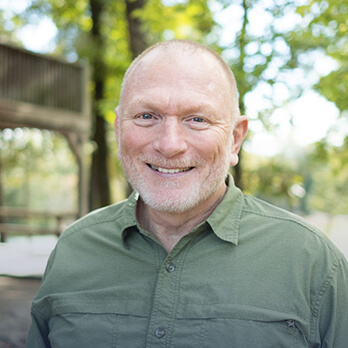
Dr. Adrian Hickmon Ph.D.
in Marriage & Family Therapy.
Adrian’s Story
The roots of Capstone Treatment Center trace back to a resilient depression era family from Bradford, Arkansas. Adrian Hickmon was raised by two parents who, despite enduring years of traumatic abuse and hardship in their upbringing, instilled a strong faith and desire to make a difference for good. Their love and compassion for those who were struggling set the foundation for their son’s career in counseling. Hickmon first integrated these life lessons into decades of playing and coaching football.
He saw personal success as a college player at Harding University, starting his career as a walk-on and ultimately closing as an all-American and team captain. The successes continued with coaching by leading a high school program to its first state championship and obtaining multiple coach of the year awards during his tenure. While notable football achievements, he feels his best work was done off the field.
The coaching platform led to father-son camps that never involved football. This time was spent connecting families, sharing struggles, and learning tools to help young men lead better lives. The struggles his players and students were facing planted a desire for further education, which led to a masters in substance abuse counseling from Northeast Louisiana University and set the stage for a new chapter.
After completing his degree, he returned to his alma mater and became one of the founding faculty in Harding University’s Marriage and Family Therapy program. He accepted this position knowing fully what God had done in his life. Had he completed the 3-year PHD program as originally intended, he would be ineligible for the position due to his graduation date coming after the 1993 cut off Harding required.
Hickmon went on to teach at Harding for 20 years as a full-time professor and supervisor training over 200 master’s level therapists. In 1994 they purchased land to build a ropes course in Judsonia, Arkansas. For six years he and his family lived on the property and facilitated experiential activities through the ropes course and other mediums for teams, youth groups, families and more. All the while laying the foundation for what would become Capstone Treatment Center.
From that foundation, Capstone has become an industry leading treatment program for more than twenty years. Capstone has worked with thousands of families from 49 states and 9 countries or territories outside the United States. Our Christ-centered approach, 2-1 client to therapist ratio, family focus, Millions invested in therapist training, canine companion therapy, and more are unparalleled in the treatment arena.
Education
PhD in Marriage and Family Therapy from Virginia Tech
MA in Substance Abuse Counseling from NE Louisiana University
MEd from Harding University
Licensing
Licensed Professional Counselor
Licensed Marriage and Family Therapist
Licensed Alcohol and Drug Abuse Counselor
Over 30,000 hours of therapy and supervision-of-therapy experience
Specialized Credentials
CSAT (Certified Sexual Addiction Therapist – Supervisor)
CTT (Certified Trauma Therapist)
CMAT-S (Certified Multiple Addiction Therapist – Supervisor)
Family
Adrian has been married to his wife JoAnna for 47 years and live in their childhood hometown in Arkansas. They have two daughters 42 and 40, twin sons 33, four grandsons 7-11 and a 2-year-old granddaughter. His greatest joy is being with his family, especially in God’s great outdoors.


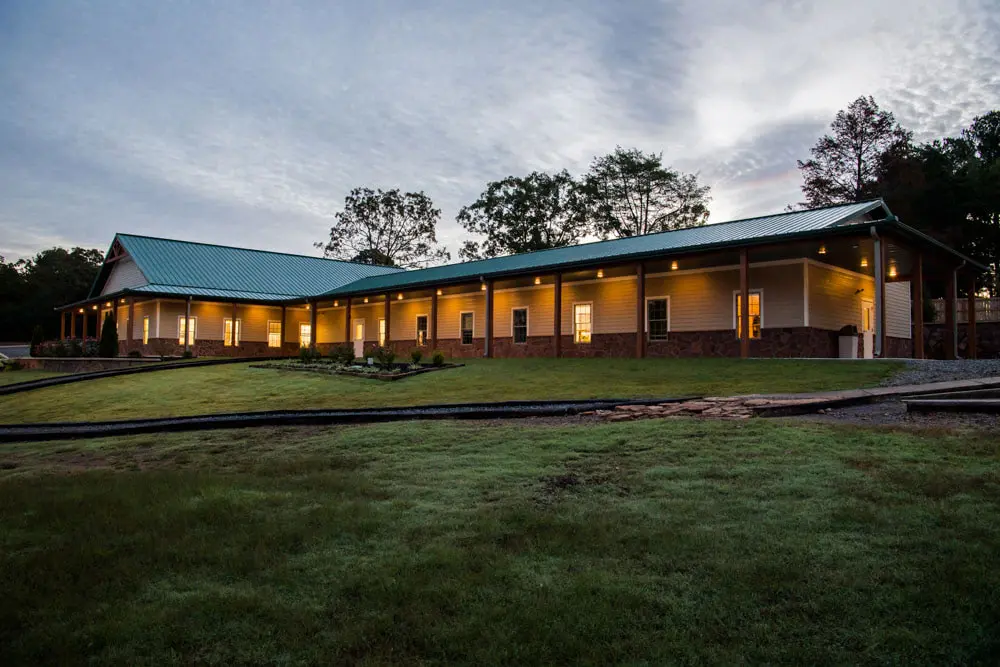




What We Treat
Capstone is CARF Accredited and each of our therapists are provided training in Adrian Hickmon’s Core Systems Model, Multiple Trauma Training Modalities, Certified Sexual Addiction Training, Brainspotting, Safe and Sound Protocol, Trauma Research Foundation Training, EMDR, Internal Family Systems Informed and other evidence-based approaches to ensure we are equipped to work with a wide variety of concerns.
866-729-4479
Substance Abuse Treatment
Helping young men break free from the root causes behind their substance abuse. Drugs, alcohol, vaping, marijuana, opioids, etc. We address the underlying hurt so these young men can pursue a healthier future.

Mental Health
Treating depression, anxiety, co-occurring disorders, suicidal ideation, and other mental health challenges with personalized, evidence-based care in a Christ-centered environment.

Compulsive Sexual Behavior
Addressing compulsive sexual behavior with Certified Sex Addiction trained therapists, deep clinical work, accountability, and a path toward restoration and lasting change.

Trauma
Helping clients process and heal from trauma they have experienced with a targeted approach. Our entire clinical team is trained in several trauma modalities and equipped to help you on the path to healing.

Attachment Issues
Working to rebuild healthy emotional bonds and repair disrupted attachment patterns that impact trust, identify toxic shame, and restore relationships.

Behavioral Health and Addictive Behaviors
Helping young men get their life back from addictive behaviors like gaming, screen dependency, gambling, and more by addressing unhealthy patterns of temporary escape and building structure supported with real-world connections.

Family Focused
Integrating family in the treatment process through intentional, structured therapy that builds communication, trust, and long-term relational health.

Failure to Launch
Assisting young men with the therapeutic tools, life skills, and confidence they need to transition into healthy, independent adulthood.