




The next time you are out to dinner with friends, in the car with your family, or sitting in a waiting room – take a moment to look around and see how many people are on their phones. Technology addiction is a leading addiction in teens and young adults. Some may ask, “What’s the big deal?” Let’s explore the impacts of excessive use of digital devices.
Mental and Emotional Health Issues
Excessive screen time, especially on social media, can contribute to feelings of anxiety, depression, and loneliness. The constant comparison to others can negatively impact self-esteem. This can also lead to reduced emotional regulation. Online activity involving intense or violent content, can lead to difficulties in managing emotions and increased irritability or aggression. In addition, overreliance on digital communication can reduce meaningful face-to-face interactions, impacting the development of social skills and relationships.
Technology addiction also impacts our relationships – there’s no way that it can not. Spending excessive time online can lead to social isolation, as individuals may prefer virtual interactions over real-life connections. Screen addiction can strain family dynamics, reducing quality time spent together and leading to conflicts over screen time limits. Take a moment to consider how often you or your child picks up their phone during family dinner.
Academic and Professional Issues
Technology addiction can interfere with academic or work responsibilities, leading to procrastination, reduced productivity, and poor performance. While late study nights seem to be synonymous with the collegiate experience, poor sleep quality can also result from excessive screen use – negatively impacting cognitive function, memory, and overall academic or work performance. Also impacting our productivity is constant notifications and the temptation to check digital devices. This can lead to frequent distractions, making it challenging to complete tasks efficiently.
Technology Addiction & Behavioral Issues
Technology addiction shares similarities with other forms of addiction, including the need for increasing amounts of screen time to achieve the same level of satisfaction when not using screens. In other words, the more you use it, the more you feel that you need it. Additionally, excessive use of screens, especially for inappropriate content on social media, can also foster a negative self-image and lower satisfaction in life.
Legal and Safety Issues
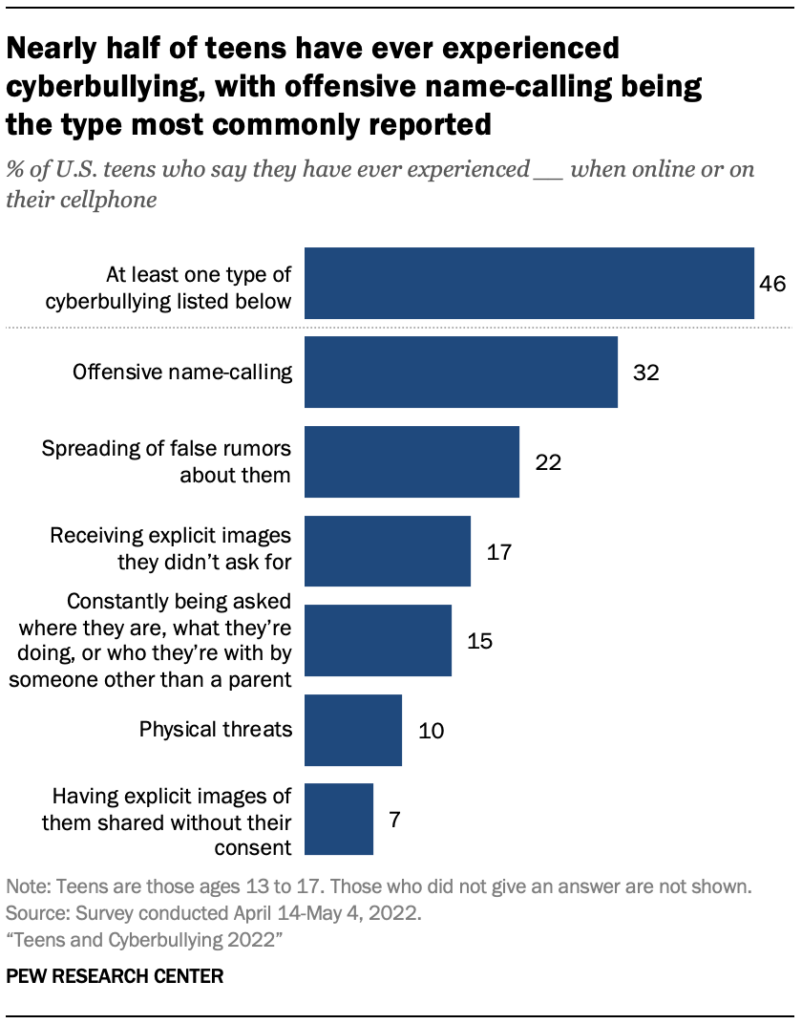
Excessive screen time, particularly without supervision, can expose individuals (especially children) to inappropriate or harmful content. In addition, increased online presence can increase the risk of experiencing or perpetrating cyberbullying or online harassment. Studies show that nearly half of teens have experienced cyberbullying. While we as adults have a greater capacity to separate the online world from the real world, the effects of cyberbullying greatly impact adolescents. We encourage parents to be watchful for the content that your children are taking in online. How can parents do this? Below, we explore ways to combat screen dependency.
Ways to Combat Technology Addiction in Youth
- Set a curfew for screens in your home. We encourage having your children turn their phones in to you by a certain time at night. Invest in an alarm clock for them to eliminate the excuse of them needing their phone to wake up on time.
- Invest in a 3rd party accountability software or devices that only have the necessary requirements for communicating via text or phone call. Apps like Covenant Eyes and Accountable2You have been a great asset to the families we work with as they navigate healthy boundaries on screen activity. Protective measures like monitoring software are not intended to keep your child in a bubble. We encourage putting these measures in place because an excessive amount of external stimuli is harmful to the brain.
- Engage in face-to-face family activities that don’t require a screen or technology. Reinstate family dinner time, take walks with your children, or initiate and maintain family game nights. Technology addiction feeds on boredom and isolation, so fill time with meaningful interactions with your children.
- Encourage your child to participate in face-to-face activities with their friends. We’ve learned that many teens communicate with their friends solely through social media or online platforms. Encourage them to physically spend time with their loved ones, even if that means you occasionally volunteer to host them.
- Demonstrate healthy screen balance for your children. What’s the use in telling them to get off of their phones if they’re watching you on yours all the time? We have never worked with a family who regretted the positive impact screen time limits provided for their family.
Capstone is a top rated residential treatment center for young men. We focus on helping young men ages 18-26 and teens ages 14-17 who struggle with self-destructive behaviors, mental health struggles, and compulsive behaviors. Get in touch today to learn more about our expert team and our approach to helping young men overcome their hurts. Learn how we can help you here.
Tell Us About Your Situation
If you or your loved one’s need matches the level of care and support offered at Capstone Treatment Center, we hope to be that answer for you. Call 866-729-4479 and learn how we can be your partners in healing.