



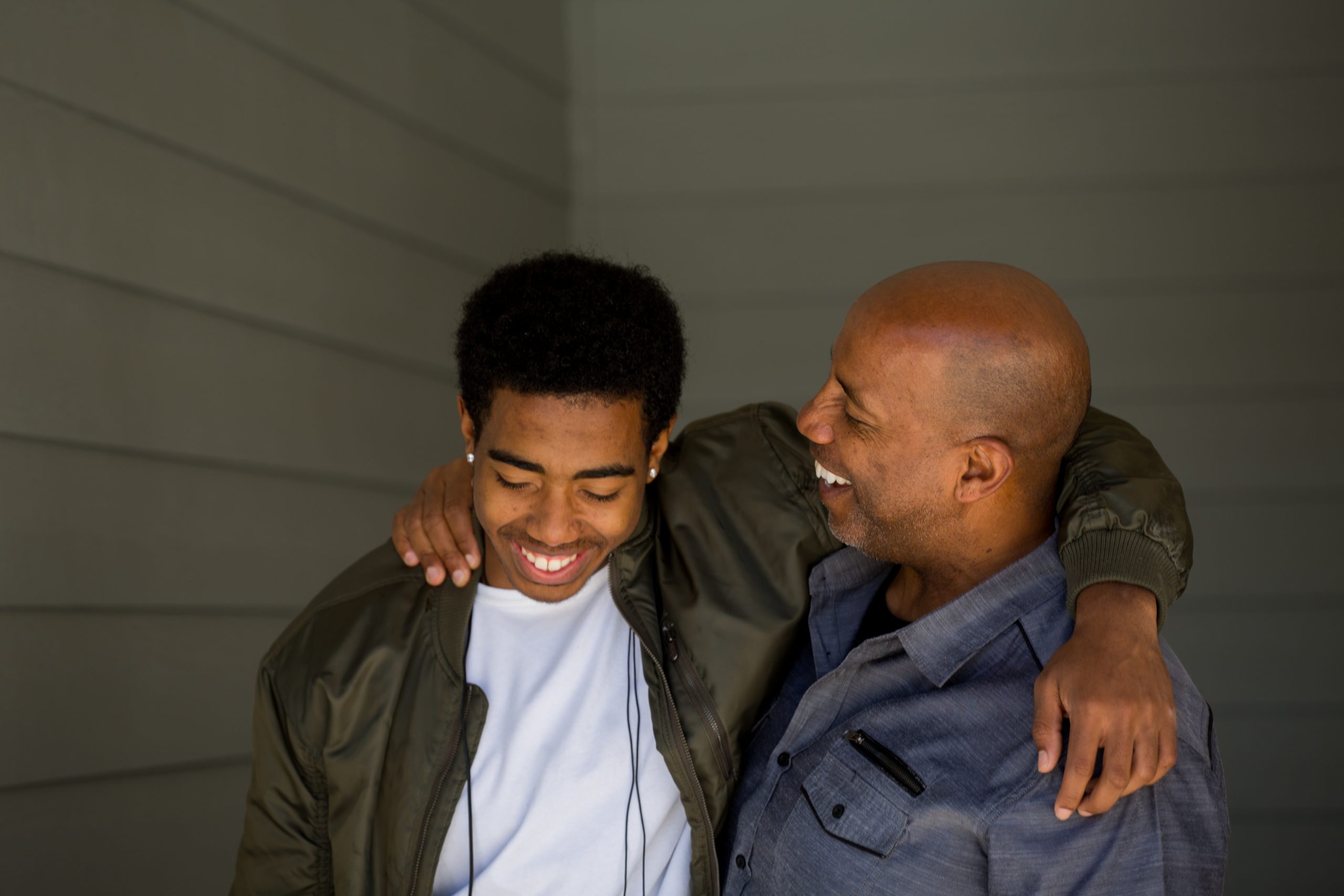
What Are the Stakes of Being a Father?
When your child looks at you, they are asking a question they do not know how to put into words.
Is this person trustworthy? Is this the one who will show me what it means to be a man? Will they give me the confidence and the worldview I need to face the world?
The stakes of being a father become high, fast, when that little person is looking at you for direction. And that direction is not handed down through a single conversation or a single lesson. It is built, day by day, through something far less glamorous: attachment.
The Foundation Underneath Everything
Secure attachment is not a clinical term to file away. It is a deep emotional bond rooted in honesty and trust, the certainty that this relationship is safe, that there is acceptance, healing, and belief in each other even when one stops believing in themselves.
To be fully known. And to fully know.
Raising children with secure attachment does not happen by accident. It requires a foundation, built intentionally, that shapes how they relate to the world as adults. Children need a mixture of five things from their parents.
- They need to feel safe, with the assurance that home is free from danger and that you are someone who repairs ruptures rather than causes them.
- They need to be seen, meaning their inner world is recognized and understood without judgment.
- They need to be soothed, because children cannot regulate intense emotions on their own and require a calm, present caregiver to help their nervous system settle.
- They need to be valued for exactly who they are, outside of achievement.
- And they need support for exploration, a reliable home base that gives them the confidence to venture out and build real independence.
Together, these conditions do more than create closeness. They build the foundation for resilience and the kind of relationships that will follow a child well into adulthood. That is what a child is reaching for when they look up at their father. Not perfection. Not performance. Just the assurance that someone is genuinely, completely there.
So what does that look like in practice? It starts with something simpler than most fathers expect.
Presence Is Not Passive
There is a difference between being physically in the room and being available to your child.
In attachment research, few things carry more weight than true presence. Early bonds with parents shape lifelong development, and presence is where that bond is built. Being there physically, mentally, emotionally, and spiritually creates an environment where children grow and thrive. It communicates the same things a child is reaching for everywhere else: that they are valued for who they are, not what they accomplish. Genuine delight in their existence. One-on-one time. Appreciation for their thoughts and ideas, not just their performance.
Fathers often put tremendous pressure on themselves to parent the right way. To have the right answers. To lead the right conversation. Those things matter. But one of the most powerful things a dad can do is simpler than any of it: just be present.
It means more than the right answer. More than the right activity. A child who feels their father’s presence carries something in their body that no lesson can replicate.
That presence does not stay contained in childhood, either. It becomes the lens a child uses to understand every relationship that follows, starting with the one closest to home.
What a Daughter Is Watching
A father’s presence in a young girl’s development is not optional. It is foundational.
Every little girl carries an innate desire to be seen and nurtured by her father. Not in the sense of being given everything she wants, but in being taught something deeper: how she deserves to be treated, how she deserves to be spoken to, what a man should value in her beyond appearance. Her thoughts. Her ideas. Her heart.
But here is the part that often goes unsaid. One of the most powerful things a father can do for his daughter is not directed at her at all. It is how he treats her mother. That is where she is building her template. Before she ever has a first relationship of her own, she has already been learning what one looks like.
How did Dad treat Mom? That question will follow her longer than most fathers realize.
And the same honesty that shapes how he treats the people around him is the honesty his children need to see modeled in him directly.
Feelings Demand to Be Felt
One of the most countercultural moves a father can make right now is emotional honesty.
Not emotional chaos. Not venting. But the grounded, simple practice of naming what is real.
Dad was scared. And here is what I did with it. I am angry right now. And here is how I am going to handle that.
There is a phrase worth holding onto: feelings demand to be felt. They do not demand to be acted upon. You can feel them fully without letting them make your decisions for you.
When a father models that, he is teaching his kids something most adults spend years in therapy trying to learn. Feelings are real. They are good. Feel them and then decide what you want to do with them.
That, more than any single piece of advice, is what fatherhood is built on. Not getting everything right, but staying present, staying honest, and showing up again tomorrow.
