Failure to Launch Treatment for Young Men
Capstone Treatment Center provides Christian residential treatment for young men who are struggling to launch into adulthood.
What is Failure to Launch?
Failure to launch is a term that is used to describe a pattern in which a young adult struggles to move toward independence. This may include difficulty maintaining employment, completing education, self-sabatoging, managing responsibilities, forming healthy relationships, or continued compulsive behaviors.
Failure to launch is not a diagnosis. It is often used as a generalized term that describes the various symptoms of a deeper struggle such as depression, anxiety, trauma, addiction, or emotional developmental delays. If the underlying causes for failing to launch are not addressed, your adult son may find himself stuck in a chronic cycle trying to find his way out.

What do Parents Commonly See in a Young Adult Struggling With Failure to Launch?
Although it can sometimes be difficult to differentiate between normal behaviors and something deeper, many parents often describe the following behaviors with failure to launch:
Avoiding work or school
Excessive video games or screen time
Sleeping most of the day
Lack of motivation or drive to follow through
Emotional withdrawal
Resistance to responsibility
Ongoing financial dependence
Difficulty maintaining basic self-care
In most cases, failure to launch is connected to unresolved emotional or developmental struggles. Thus, many of these symptoms can show up together and in varying intensities. They are the outward expression of something deeper that is holding them back, and Capstone retraces that hurt to the root.

What Causes Failure to Launch in Young Adults?
Failure to launch in young adult men is commonly associated with a combination of various factors. Ranging from depression, anxiety, trauma and attachment wounds, difficulty regulating emotions, these can make changes like transitioning to college or into young adulthood extremely challenging.
When these underlying factors are not addressed, independence becomes progressively more overwhelming than seemingly achievable. The resulting behaviors are thus categorized into what can be describes as failure to launch.
How Does Capstone's Residential Treatment Help With Failure to Launch?
Capstone provides clients with a Christ-centered, structured, and clinically-excellent residential treatment program that addresses the underlying hurt that is causing them to struggle transitioning into young adulthood. Capstone possesses many unique features that set it apart from other treatment facilities all across the country.
Industry leading 2:1 client to therapist ratio
Capstone's Puppy Program that gives every client an AKC registered labrador retriever upon admission. Clients graduate with a recovery companion for years to come.
Extensive investment into our therapists who are trained in multiple treatment modalities
The Core-Systems Model developed by our Founder and Clinical Architect, Dr. Adrian Hickmon. This clinical model helps restore families by identifying root causes—moving beyond labels and quick fixes to lasting transformation
Weekly group adventures on and off campus
By removing distractions and unhealthy coping patterns, young men can focus on addressing the root causes of their struggles with Capstone's world-class therapy team.

When Is It Time to Consider Residential Treatment for Failure to Launch?
Another difficult decision that comes when a young man is struggling with symptoms of failure to launch, is when residential treatment may be a viable next step. Residential treatment programs, such as Capstone, may be appropriate when:
Outpatient therapy has not produced meaningful progress
Your son refuses work, school, or responsibilities despite many interventions
Conflict in the home has become a chronic problem
There are signs of substance use or other addictive behaviors
Depression, anxiety, trauma, or other mental health symptoms are worsening
The young man has become increasingly isolated or withdrawn
You feel increasingly exhausted, fearful, or unsure of what to do next
In failure to launch, the longer patterns of avoidance continue, the more deeply they become rooted in the individual. Appropriate, early intervention can often prevent these symptoms from progressing.

Unsure of what to do?
If you have questions or are having doubts about what to do next, you are not alone. Reach out to our admissions team below, all of which are licensed therapists, and they can help walk you through what appropriate next steps may be. Or fill out a help form, and let us reach out to you. Our team is prepared to meet you wherever you are and determine if your son is a good clinical fit for Capstone, or refer you directly to resources that can help.
Speak to our admissions therapists with 40+ years of Capstone experience.

Daniel Stewart
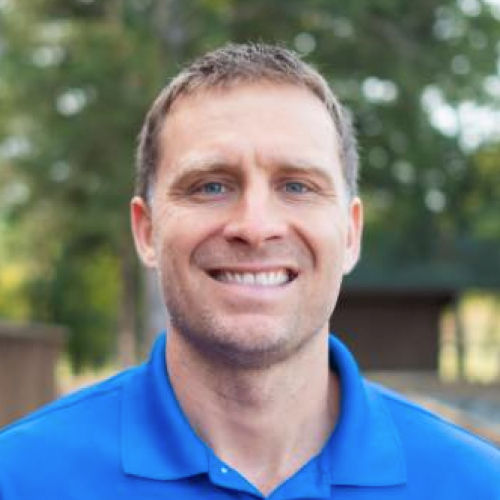
Chris Insell

Jimmy Shaw

Tiffany Gormany

Andrea Hart
How Can Capstone Help?
Our credentialed therapy team can assist your adult son in addressing core underlying issues that are keeping him from progressing. In our experience, the longer you prolong addressing what’s going on, the harder it is to get relief from the cycle of downward spiral into a cycle of unhealthy coping and stagnant lifestyle. Our program is designed to help your son regain confidence as he processes obstacles that keep him from moving forward. Our team has the expertise to dig below the surface to help him and your family acquire the launchpad to success.
Why is Residential Treatment Effective for Failure to Launch?
Failure to launch is often maintained by environment. When a young man remains in the same setting where avoidance patterns developed, change can be difficult. Residential treatment in general is effective for many reasons, some of which are as follows.
Removes environmental triggers and distractions
Disrupts unhealthy routines
Introduces structured accountability
Provides daily therapeutic intervention
Limits access to compulsive coping behaviors
Creates consistent expectations for responsibility
By changing the environment, residential treatment creates space for deeper clinical work and measurable behavioral growth.